How many city pages should a local service business actually build in its first year?
Most businesses either build three pages and stop, or build eighty and drown. Here is how to size the first year around your real service radius, crew capacity, and ability to keep every page honest.
Start from the jobs you already drive to
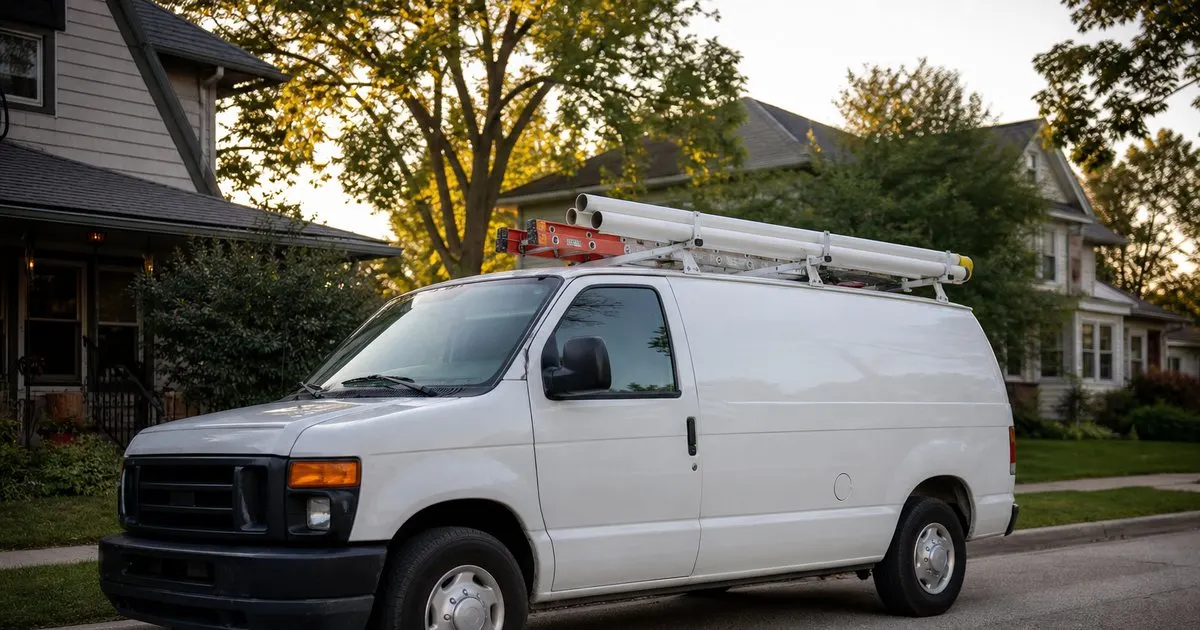
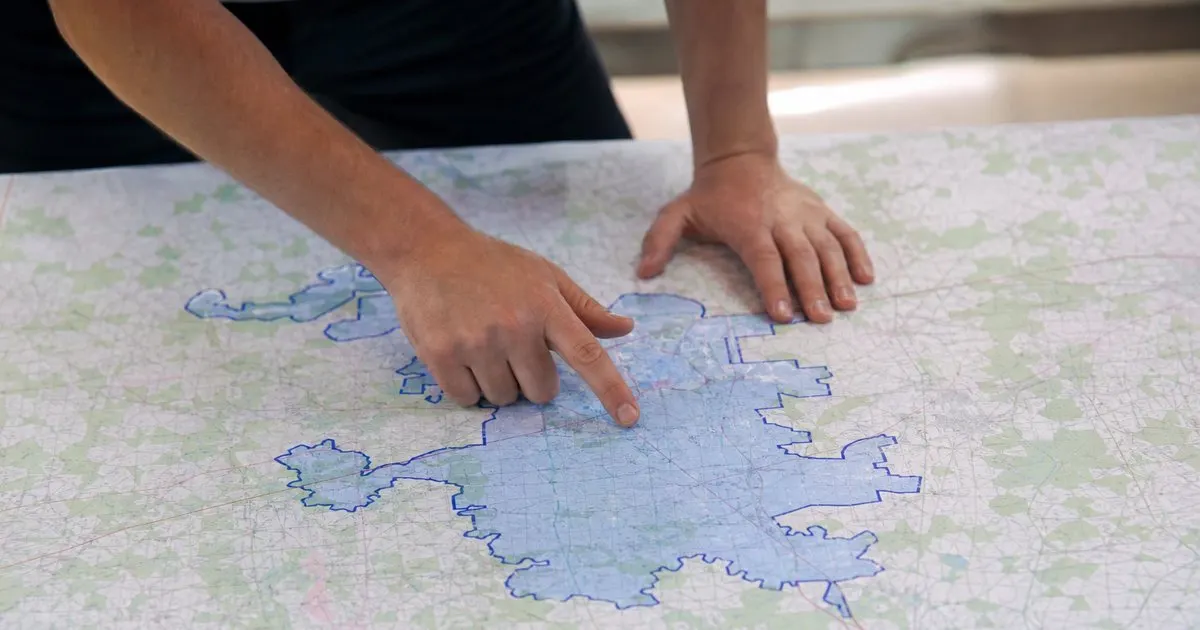
The wrong way to decide on a page count is to open a map, draw a circle, and list every incorporated place inside it. The right way is to pull the last twelve months of invoices or job addresses and sort them by city or ZIP. Most service businesses find that a surprisingly small number of towns account for the bulk of their revenue, and that a long tail of places produced one or two jobs each. That distribution is your first-year roadmap. The towns you already serve regularly are the ones where you can write honestly, where you have photos, where you can name the neighborhoods and the quirks of the housing stock.
A useful first cut is any city where you completed work in the past year and would happily accept another job tomorrow. If you did one job in a town that turned out to be a ninety-minute drive each way, that is not a page candidate, no matter how large the town is. Conversely, a small town that produced fifteen repeat customers deserves a page even if its population looks unimpressive on paper. Revenue and drive time beat population every time in the first year.
Keep reading: Why Thin City Pages Hurt You, Building Genuinely Useful Local Pages, Ranking for a Service Area. See how Localander helps you service-area city landing page generator for local businesses.
Match the count to what you can keep true
Every city page you publish is a promise: that you serve this place, that the details on the page are accurate, and that someone will answer when a resident calls. A page you cannot maintain becomes a liability. Pricing notes go stale, a technician who covered that area leaves, a permit rule changes. For a one-crew business, a realistic first-year target is typically somewhere between five and fifteen pages, enough to cover the core towns without spreading the writing thin. A business with several crews and a dedicated office person can sustain more, but the constraint is still the same: can someone read every page once a quarter and fix what changed? Related: Why Thin City Pages Hurt You
The honest test is whether you could stand in front of a customer from that town and defend every sentence. If the page says you know the older homes near the downtown have cast iron drains, you should actually have seen that. If the page mentions a local water utility or a typical permit process, someone on your team should have dealt with it. The number of pages you can build in a year is really the number of towns about which you can say true, specific things. Related: Building Genuinely Useful Local Pages
Sequence the build instead of publishing everything at once
Publishing thirty pages on the same day is not fatal, but it throws away information. If you release five pages a month, you learn which ones start getting impressions within a few weeks, which ones draw calls, and which ones sit dead. That feedback shapes the next batch. Maybe the pages for towns closer to your shop outperform, or maybe the ones for towns with older housing stock do. You would never learn that from a single bulk launch, because everything would be competing for your attention at once.
Sequencing also helps with quality. The first three pages you write will be the weakest, because you have not yet figured out what actually differs between towns in your area. By page ten you will have a sense of what local detail matters and what is filler. If you build in batches, later pages benefit from that learning, and you can go back and improve the early ones with what you now know. A slow build with revision typically beats a fast build that nobody revisits. Related: Ranking for a Service Area
Plan for the second year before finishing the first
Around month nine, look at the pages you have and decide what happens next. Some towns will have earned more depth: a second page for a specific service, a photo gallery, a seasonal note. Others will need to be consolidated into a regional page because they simply do not generate search demand on their own. Very small towns often work better as a named section on a page for the larger neighbor than as a standalone URL that never gets a visit.
This is also when tooling starts to matter. Hand-writing ten pages is manageable; keeping forty pages accurate by hand is where most businesses quietly give up. Whether you use a spreadsheet and a checklist or a generator built for service-area pages, the requirement is the same: a single place where the shared facts live (license number, hours, phone, service list) and a way to push changes out to every page without editing each one. Set that up before the page count outgrows your patience, not after. Related: What a Good Service Area Page Contains
- Size the first year by where you already drive, not by drawing a radius on a map.
- A page you cannot keep accurate is worse than no page at all.
- Publish in monthly batches so early pages teach you what to write on later ones.
- Decide by month nine which towns deserve more depth and which should be folded into a regional page.

Julien Jimenez
Julien Jimenez is an independent software builder based in Paris. He designs, ships, and operates focused SaaS products for small businesses and independent professionals. Read the full author page.
A real page for every city you serve
Service-area city landing page generator for local businesses. Localander is built to help you put this into practice.
Generate my pagesMore from the Localander blog

Why Thin City Pages Hurt You

Building Genuinely Useful Local Pages
Ranking for a Service Area
Get the Localander playbook
Practical guides on local landing pages, straight to your inbox as we publish them. No spam, unsubscribe any time.