
Local landing pages
Why Thin City Pages Hurt You
Copying a page and swapping the city name does more harm than good. Here is why.
Practical, honest advice from the team behind Localander, written to help you do this well.
Copying a page and swapping the city name does more harm than good. Here is why.

A local page should help someone in that area decide. Here is how to build one that does.
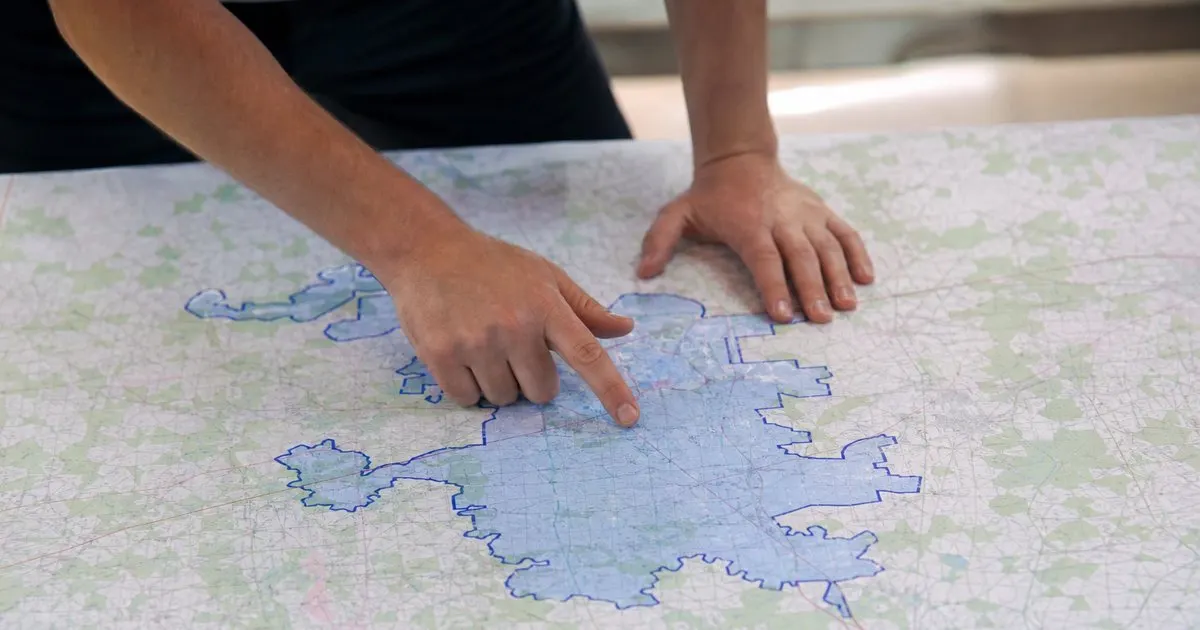
Serving an area and ranking for it are different things. Here is how to close the gap.

A strong local page has a recognizable shape. Here is what to put on one.

Duplicate local pages undermine your whole site. Here is how to keep them distinct.

Local searches carry a specific intent. Here is how to meet it.

Serving many areas is fine; spamming pages is not. Here is how to scale the right way.

Speed helps local pages rank and convert. Here is how to keep them fast.

Many pages mean many things to keep current. Here is how to update them efficiently.

Most businesses either build three pages and stop, or build eighty and drown. Here is how to size the first year around your real service radius, crew capacity, and ability to keep every page honest.

Ten services times thirty cities is three hundred potential pages. Almost nobody needs all of them. Here is how to decide which combinations deserve their own URL and which should stay as a section on a hub.

The suburb page is written the same way, published the same day, and gets a fraction of the traffic. That is usually not a mistake in the page; it is how local search treats smaller places.

Most schema advice for local pages is copied from restaurant and retail guides. Service-area businesses are a different case. Here is what actually helps, what is harmless, and what to skip.

Dead pages are not free. They drag on the quality of the whole site, confuse visitors, and quietly age. Here is a calm process for deciding which city pages to keep, merge, or remove, and how to do it without losing anything.

Traffic per page is easy to see and mostly useless. What you want is calls, form fills, and booked jobs by city. Here is a setup a small business can actually run without a marketing department.

URL patterns and menus are decided once and lived with for years. Here is how to choose a structure that stays readable at ten pages and at eighty, and how to link it so nothing gets orphaned.

Rankings without calls usually mean the page is winning the wrong query, losing the visitor on arrival, or making it hard to act. Here is how to diagnose which one it is before changing anything.

Business owners often ask which one to focus on. The honest answer is that they do different jobs, and confusing them leads to wasted effort on both. Here is how the two fit together.

Expanding into a new town raises a timing question: build the page now to get a head start, or wait until you have real jobs to write about. Here is how we think about it.

Reusing city pages for ads saves work but can cost conversions. Building separate ad pages costs maintenance and can create duplicate content. Here is how to pick, and how to keep both honest.