When should a local service business publish a city page for a town it has never worked in?
Expanding into a new town raises a timing question: build the page now to get a head start, or wait until you have real jobs to write about. Here is how we think about it.
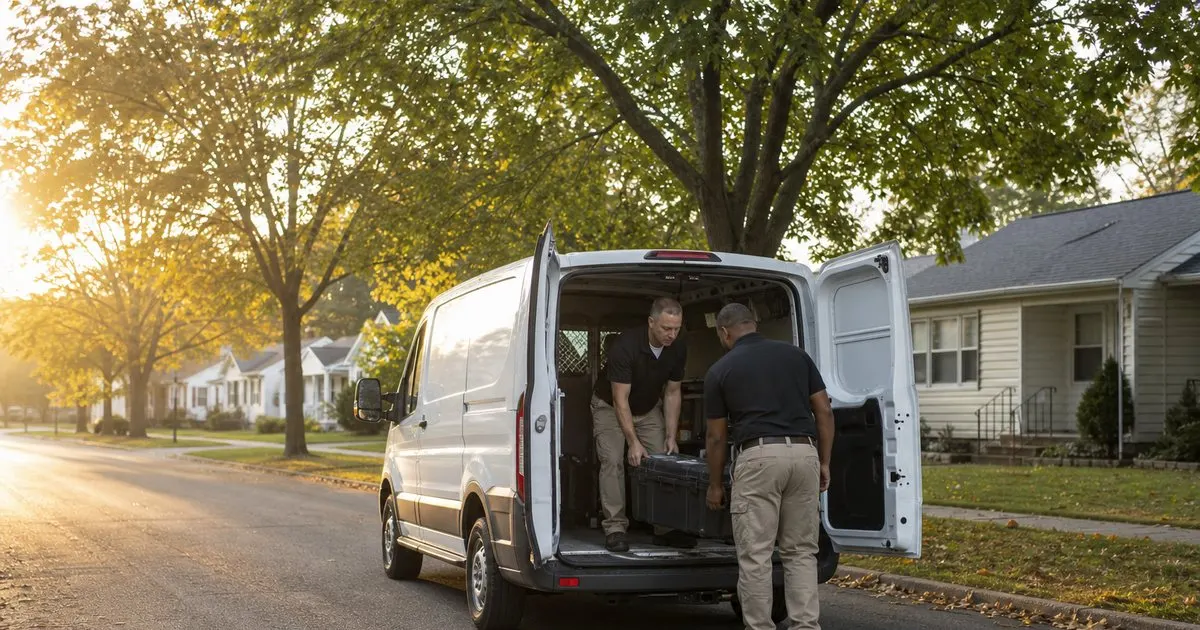
Start with whether you can actually serve the town
Before the search question there is an operations question. A city page is a promise that you will show up. Check the drive time from your base at the hours you actually dispatch, not at midnight when the roads are empty. Check whether the crew that would take the job has room in the schedule, whether the town or county requires its own permits or contractor registration, and whether your licensing and insurance cover work there. If the honest answer is that you would take the job only when things are slow, the page will produce calls you turn down, and turned down calls cost you reviews and referrals.
It also helps to decide what a job in that town is worth to you. Longer drives eat margin, so a town well outside your usual radius may only make sense for larger jobs, or for days when you already have work nearby. Write that rule down before you publish, because it shapes the page. A page that quietly aims at bigger projects reads differently from one that invites every small call. Deciding the service rule first is the difference between a page that fills your calendar and one that fills your voicemail with work you cannot take.
Keep reading: Why Thin City Pages Hurt You, Building Genuinely Useful Local Pages, Ranking for a Service Area. See how Localander helps you service-area city landing page generator for local businesses.
What you can honestly say before the first job
The temptation with a brand new town is to borrow proof you do not have. Do not put a rented mailbox address on the page, do not move reviews from other towns and relabel them, and do not present stock photography as your own work. Those shortcuts are easy for a careful visitor to catch, and they are exactly the pattern that makes search engines distrust an entire set of city pages rather than just the one. Once trust is gone from a page, it is slow and expensive to earn back across the whole site. Related: Why Thin City Pages Hurt You
What you can say truthfully is usually more than owners expect. You can state your coverage and typical travel time from your base, your realistic response window for that area, the services you actually carry on the truck, how you handle permits or HOA approvals in that county, and what the local housing stock means for the work (older homes with cast iron drains behave differently from newer subdivisions with builder grade fixtures). You can explain what typically changes the price. Photos of your crew, your equipment, and finished work elsewhere are fine as long as you never claim they were shot in that town. Related: Ranking for a Service Area
Publish early with real substance, or wait
New pages rarely rank the week they go live. They generally need time to be crawled, indexed, and tested against the pages already ranking, so publishing early does buy you runway. That argument only holds if the page is worth reading on the day it goes up. An empty page does not quietly warm up in the background; it sits there as one more thin URL, and a site carrying a stack of those becomes harder to trust as a whole. Runway is only valuable if there is something on the plane.
The rule we use is simple: publish when the page can stand on its own for a stranger who lives in that town and has never heard of you. If you cannot get there yet, keep the town on your service area list on a hub page, name it in your coverage description, and add the standalone page when you have enough to say. That gives you a crawlable, honest mention of the town without adding a page you would be embarrassed to have a customer read out loud to you.
Upgrade the page as soon as the first jobs land
The first two or three jobs in a new town improve the page more than any amount of writing. Take photos on site with the customer's permission, note the neighborhood if they are comfortable with that, record what the job actually involved and roughly what it cost, and ask for a review in the customer's own words rather than one you script. Then swap the generic paragraphs for the specific ones, keep the coverage details current, and update the page date, because this time the content genuinely changed. Related: Building Genuinely Useful Local Pages
Set a reminder to look at the page again after a few months of normal demand. Check which queries it draws, whether the town name shows up in them, and whether calls from that area code are being logged as leads. If nothing moves after a fair stretch and you have added real local content at least twice, the town may simply be out of reach for now. Folding it into a nearby regional page is a reasonable business decision at that point, not an admission that the whole approach failed. Related: What a Good Service Area Page Contains
- Settle the operations rule first: drive time, crew capacity, licensing, and the job size that makes the trip worth taking.
- Never borrow proof for a new town, because a rented address, a relabeled review, or a staged photo damages every city page you own.
- Publish only when the page stands alone for a stranger who lives there; otherwise list the town on your coverage hub for now.
- Rewrite the page with real photos, job details, and a local review within days of finishing your first jobs in that town.

Julien Jimenez
Julien Jimenez is an independent software builder based in Paris. He designs, ships, and operates focused SaaS products for small businesses and independent professionals. Read the full author page.
A real page for every city you serve
Service-area city landing page generator for local businesses. Localander is built to help you put this into practice.
Generate my pagesMore from the Localander blog

Why Thin City Pages Hurt You

Building Genuinely Useful Local Pages
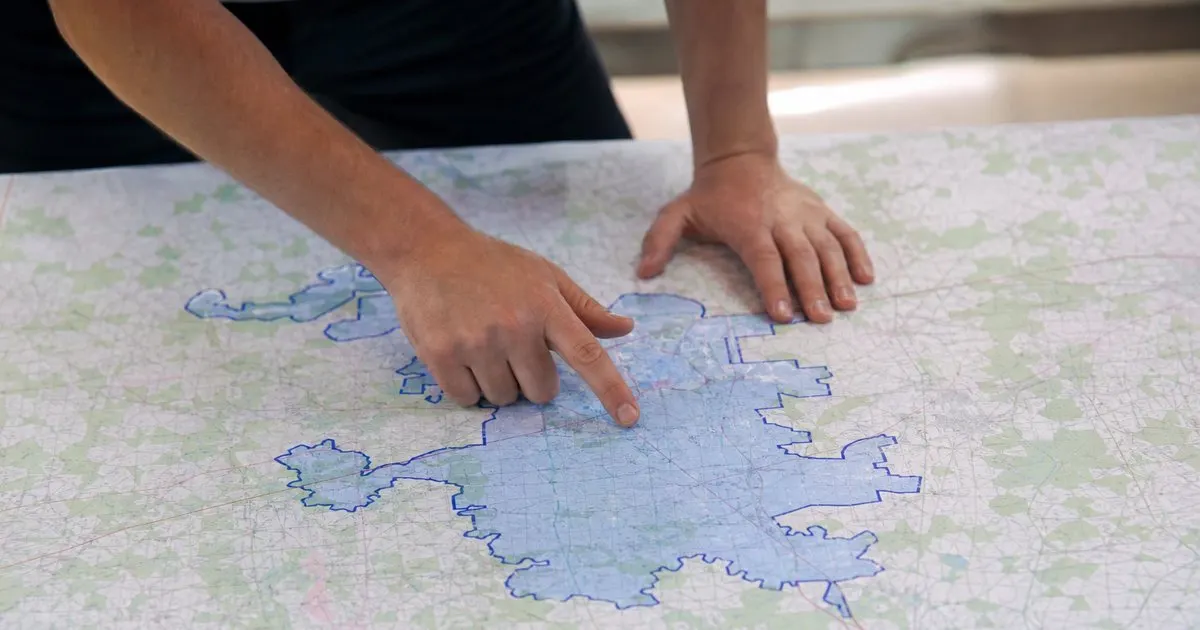
Ranking for a Service Area
Get the Localander playbook
Practical guides on local landing pages, straight to your inbox as we publish them. No spam, unsubscribe any time.